New York Oversize Load Transport
Lowboy Equipment Transport in New York, NY
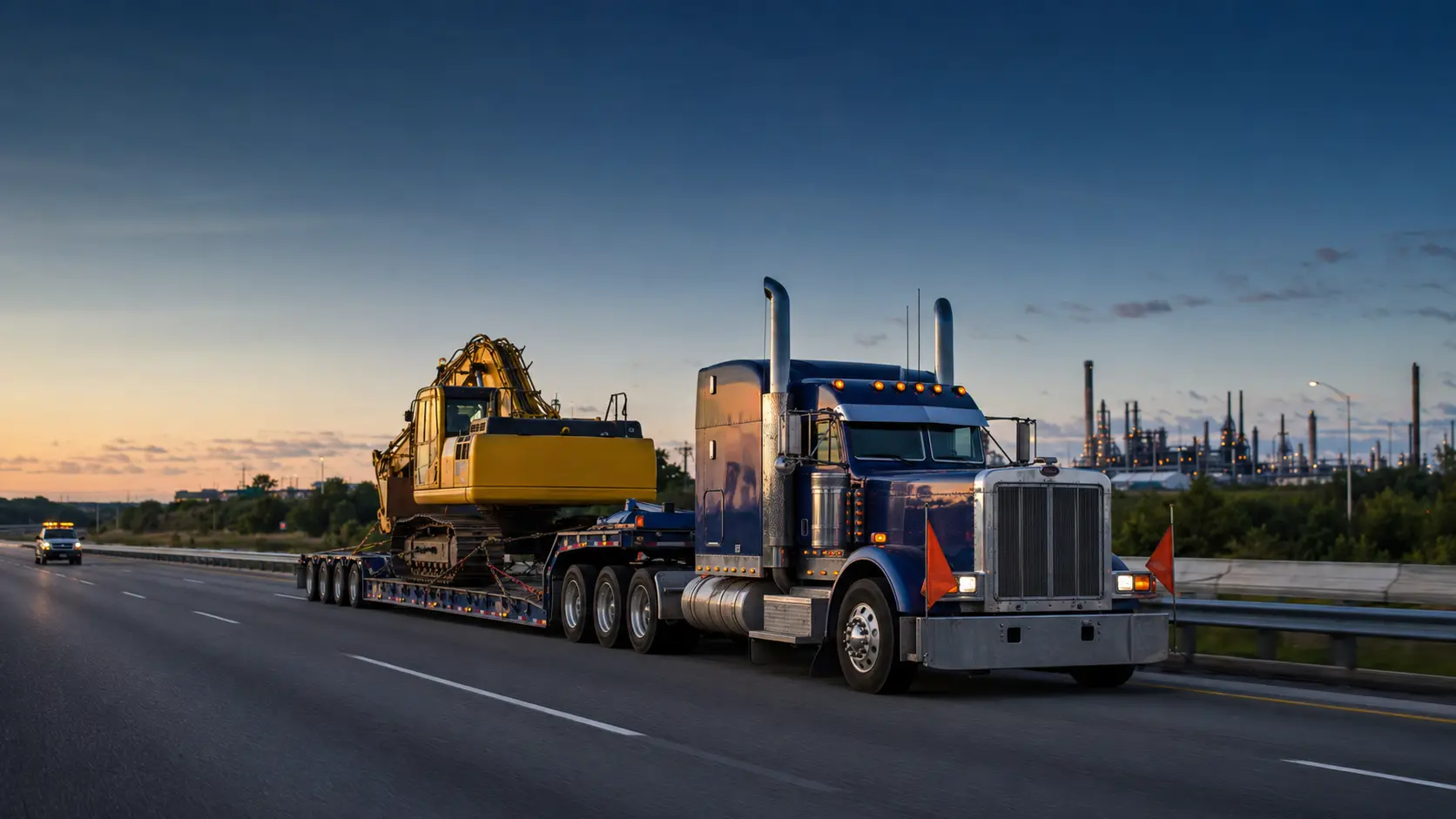
Specialized freight in New York, NY is influenced by major construction, port logistics, and utilities, with major routing decisions centered on Port of New York and New Jersey access, I-95/I-278/I-495, and dense urban routing constraints. Movements involving excavators, cranes, and bulldozers start with serial-specific specifications, current photographs, transport-position measurements and both facility addresses. Trailer selection, permits, escorts, construction, bridge and clearance checks follow from that evidence. Pricing is provided only after the actual cargo and New York operating path are reviewed.
Local operational evidence
What affects heavy haul planning in New York?
New York planning starts with the named freight assets, cargo profile, facility access and jurisdiction sequence shown below.
Port of New York and New Jersey access links the page to a real New York freight feature, not a generic nationwide route statement.
Major Construction and Port Logistics create different cargo, facility and operating-condition questions in this market.
Representative cargo for this market includes excavators; the assigned unit still requires verified weight, dimensions, transport position and loading method.
The listed RGN/lowboy cannot be assigned until concentrated loading, axle groups, clearances and both sites are checked.
Early planning checkpoint
Know the dimensions before choosing the trailer.
Cargo make, model, exact weight, length, width, height, condition, loading support, and both addresses determine the next step.
City-owned intelligence
New York industries, corridors and operating environment
New York's industries, freight facilities and operating conditions create distinct trailer, routing and site-access decisions.
Local industry relationships
- Major Construction projects are a distinct New York cargo context; excavators loads must be reconciled with the roads and facilities around Port of New York and New Jersey access.
- The local port logistics supply chain can generate cranes moves, making I-95/I-278/I-495 a relevant corridor and access checkpoint rather than a generic city reference.
- Utilities demand around New York connects bulldozers movements with access screening near dense urban routing constraints.
- For New York's transit infrastructure sector, dispatch planning begins with the actual transformers configuration and the facility path connected to Port of New York and New Jersey access.
- Marine Projects projects are a distinct New York cargo context; port cranes loads must be reconciled with the roads and facilities around I-95/I-278/I-495.
Corridor and facility signals
- Port of New York and New Jersey access supports major construction freight in the New York market; verify road ownership, structures, work zones, turning geometry and authorized travel windows.
- Treat I-95/I-278/I-495 as a New York route-screening anchor for port logistics cargo, with current clearance, bridge, construction and jurisdiction checks before dispatch.
- New York movements associated with dense urban routing constraints require a corridor-specific review of permits, lanes, intersections, overhead conflicts, staging and final-mile access.
Terrain, weather and seasonality
- Screen winter storms, ice and freeze-thaw damage when scheduling a New York heavy haul movement; verify current conditions near the planned travel date.
- Screen coastal wind and heavy-rain flooding when scheduling a New York heavy haul movement; verify current conditions near the planned travel date.
- Screen limited weather-safe staging in dense urban areas when scheduling a New York heavy haul movement; verify current conditions near the planned travel date.
- Industries reviewed
- 5
- Visible sources
- 3
- Reviewed
- August 1, 2026
- Maintenance
- Quarterly corridor and source review; event-driven updates for material authority or access changes
Pickup and delivery controls
New York access constraints to verify
Corridor screening
Confirm whether the proposed combination can use Port of New York and New Jersey access, I-95/I-278/I-495, and dense urban routing constraints, including off-tracking, breakover, clearance and structural limits.
Facility access
Document appointment rules, surface bearing, operators, cranes or winches, and trailer maneuvering room at origin and destination.
Permit ownership
Obtain the required New York authority plus every local-road or facility approval before dispatch.
Shipment decision support
New York equipment and trailer starting points
This comparison supports intake. It does not replace engineering, carrier, securement, permit, or route approval.
| Cargo | Starting trailer | Local signal | Verify before dispatch |
|---|---|---|---|
| Excavators | RGN/lowboy | Port of New York and New Jersey access | Loaded dimensions, weight distribution, securement and route clearance |
| Cranes | step deck | I-95/I-278/I-495 | Operating condition, loading method, facility access and permit timing |
| Bulldozers | flatbed | dense urban routing constraints | Loaded dimensions, weight distribution, securement and route clearance |
| Transformers | multi-axle modular | Port of New York and New Jersey access | Operating condition, loading method, facility access and permit timing |
Transparent planning examples
Three New York heavy haul scenarios
These New York examples compare cargo, loading, trailer and access decisions without presenting hypothetical work as a completed shipment.
Planning scenario
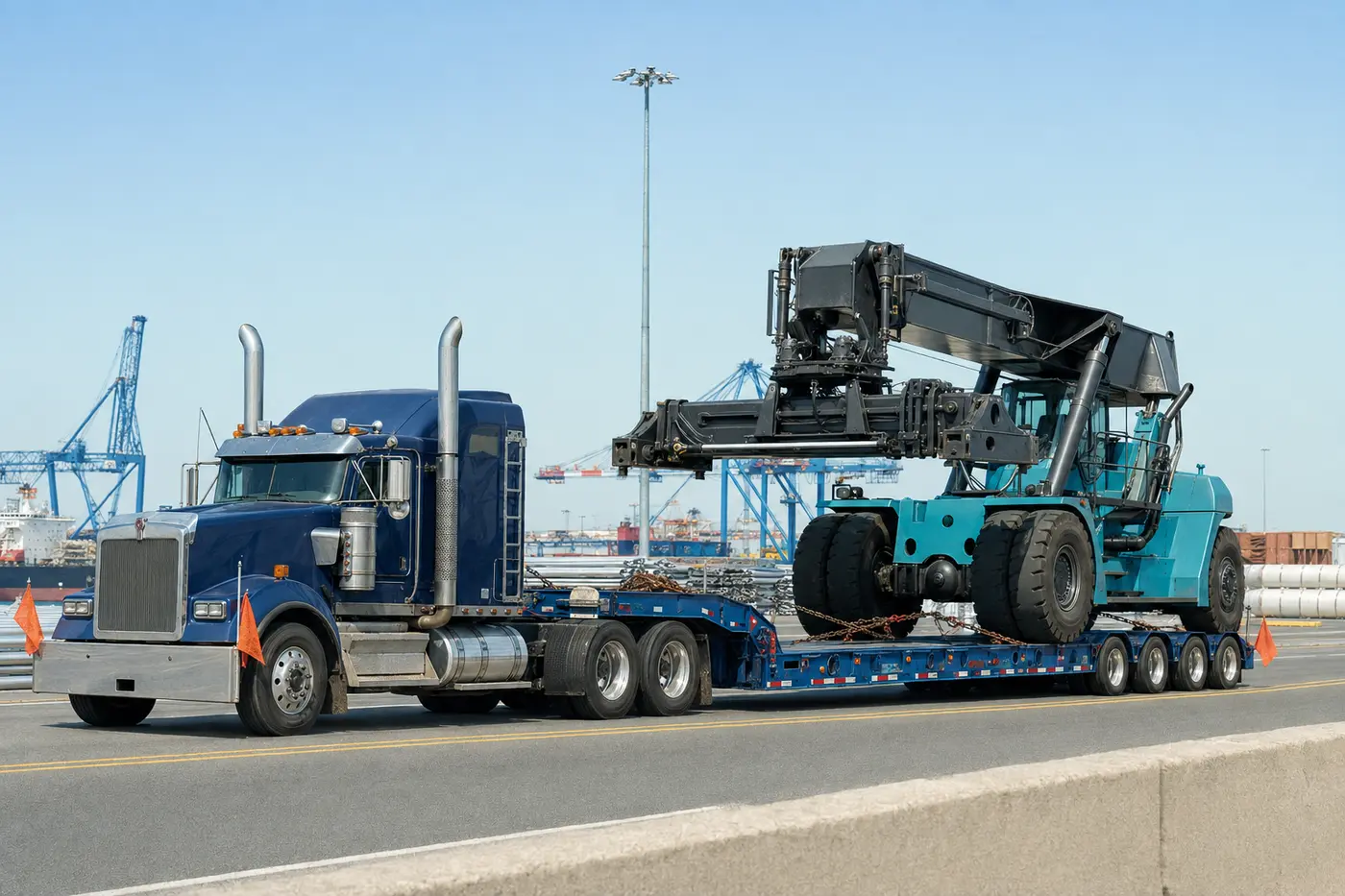
Excavators planning scenario near New York
- Equipment
- Excavators
- Example origin
- Pickup in New York, NY, near Port of New York and New Jersey access
- Example destination
- Major Construction project site in New York
- How intake starts
- The intake identifies the exact excavators, serial or model evidence, transport position, site geometry, requested timing and the Port of New York and New Jersey access access relationship.
- Trailer starting point
- RGN/lowboy
- Timing
- Pickup is not confirmed while dimensions, route authority, third-party support or the New York facility plan remains unresolved.
- Price status
- Pricing is issued in writing after the excavators, RGN/lowboy, route work and third-party scope are defined; this scenario contains no invented rate.
- Outcome standard
- Completion would require documented delivery, exception handling and publication approval. The example does not claim that Heavy Haul Now performed this shipment.
Planning scenario
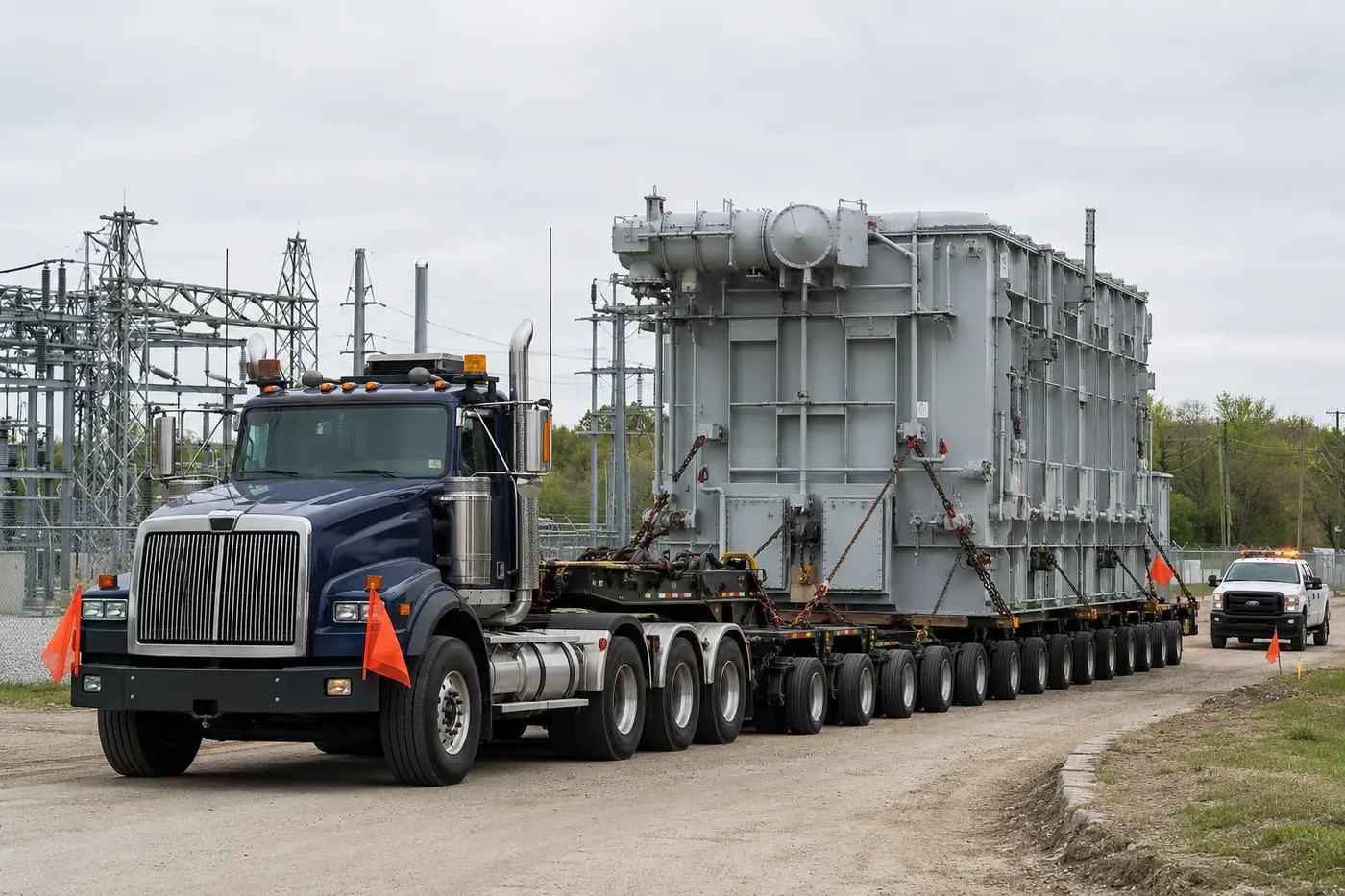
Cranes planning scenario near New York
- Equipment
- Cranes
- Example origin
- Pickup in New York, NY, near I-95/I-278/I-495
- Example destination
- Port Logistics project site in New York
- How intake starts
- Project screening starts by reconciling the cranes configuration with photographs, verified weight, measurements, operators, loading method and property restrictions.
- Trailer starting point
- step deck
- Timing
- Timing remains conditional on the New York permit path, current conditions near I-95/I-278/I-495, trailer availability, loading readiness and the receiving appointment.
- Price status
- A project-specific quote replaces any citywide estimate once permits, escorts, loading, mileage and I-95/I-278/I-495 access assumptions are known.
- Outcome standard
- Only an approved project file could report the actual route, timing and outcome. This scenario demonstrates decisions without creating a testimonial.
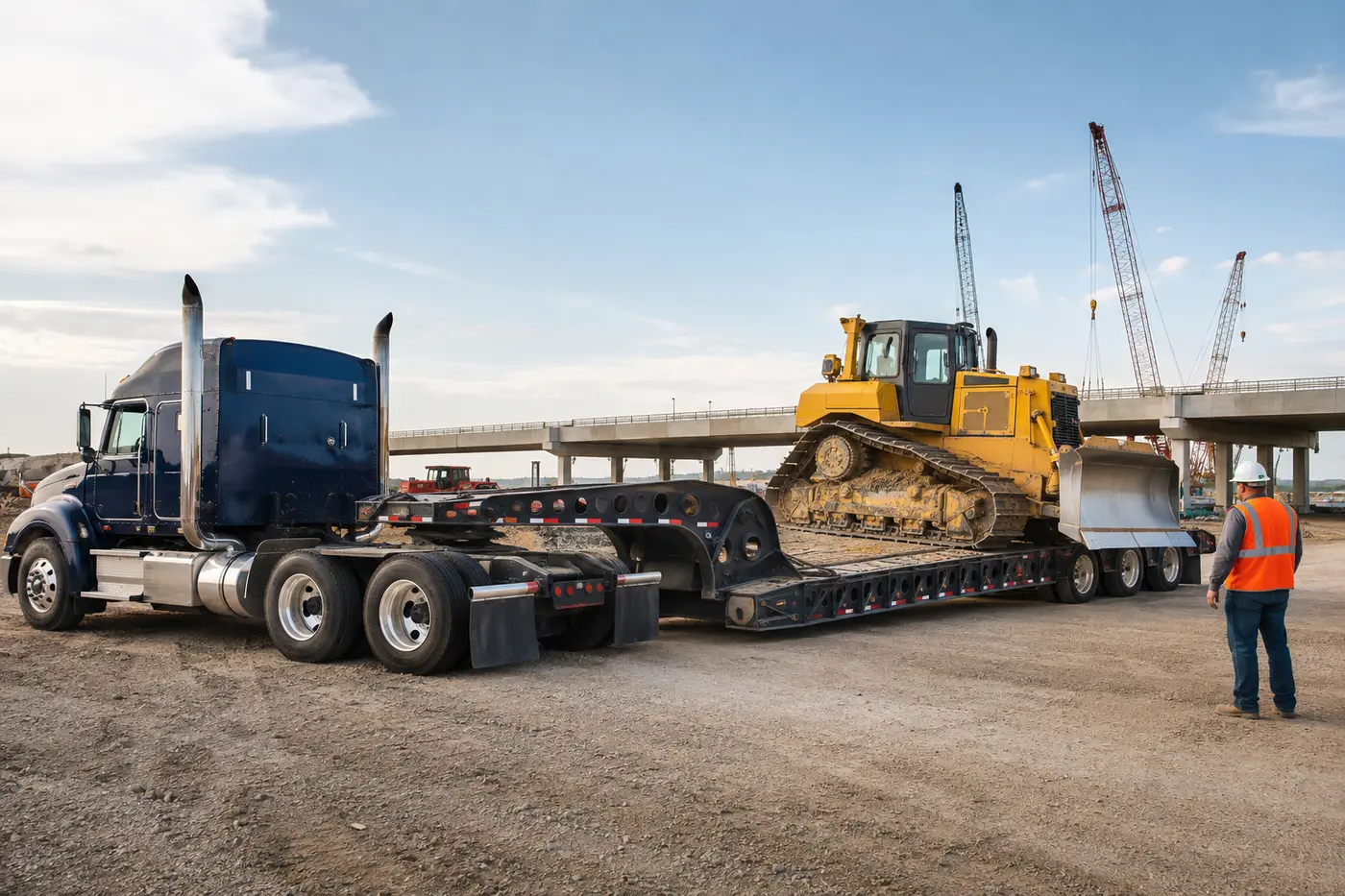
Planning scenario
Bulldozers planning scenario near New York
- Equipment
- Bulldozers
- Example origin
- Pickup in New York, NY, near dense urban routing constraints
- Example destination
- Utilities project site in New York
- How intake starts
- The planning record begins with bulldozers specifications, current photographs, operating condition, site contacts and the exact addresses connected to dense urban routing constraints.
- Trailer starting point
- flatbed
- Timing
- No transit promise is made until road miles, approvals, escorts, travel windows, dense urban routing constraints constraints and both facilities are confirmed.
- Price status
- The commercial scope separates transport, approvals and accessorial work after verified facts establish the feasible movement plan.
- Outcome standard
- The planning example ends at the evidence threshold; no successful delivery, customer result or performance metric is asserted without a verified record.
Conversion path
Request a written New York heavy haul review
Send the facts once. The team can review trailer fit, route constraints, permits, escorts, loading, schedule, and price assumptions together.
- Exact equipment dimensions and weight
- Operating condition and loading method
- Complete pickup and delivery access
- Photos, dates, site contacts, and restrictions
Evidence and claim ownership
Sources, verification date, and pricing boundary
Last reviewed August 1, 2026. Sources support regulatory and roadway context; they do not prove a specific route is approved or that a carrier is available.
New York State Department of Transportation
New York roadway, permit, construction, and travel-condition verification
Open official sourceFHWA Commercial Vehicle Size and Weight Program
Federal Interstate size, weight, axle, and bridge-formula context
Open official sourceFMCSA Cargo Securement Rules
Federal cargo-securement planning context
Open official sourceStructured answers
New York heavy haul trucking FAQ
How is heavy haul trucking planned in New York, NY?
The New York review moves from evidence to feasibility: verify specifications and sites, select a provisional trailer, screen Port of New York and New Jersey access, identify each authority and resolve access or third-party dependencies before pickup.
What trailer may be used to move excavators in New York?
RGN/Lowboy is a preliminary candidate for excavators; loaded height, deck support, concentrated weight, axle groups, securement, loading resources and the Port of New York and New Jersey access route decide whether it is suitable.
What determines heavy equipment transport cost in New York?
Price is developed from the assigned cargo and route rather than the city name. Verify weight, dimensions, condition, RGN/lowboy suitability, approvals, third parties and the major construction facility schedule before comparing quotes.
Which permit authorities can affect a New York heavy haul move?
A state permit does not automatically authorize every New York street or private property. Review New York State Department of Transportation, local-road ownership, bridge or terminal rules and the destination approach for the actual combination.
What evidence is needed for a New York heavy haul quote?
For route and price review, submit the actual excavators facts, both facility addresses, access photographs, operators or cranes available, target dates and any known Port of New York and New Jersey access, permit or appointment constraints.
Turn your New York load into a verified transport plan.
Share the cargo and location facts. Receive a written review path instead of an unsupported instant promise.
Verified project evidence
New York, NY Heavy Haul Case Studies
Published projects must document the cargo, route, loaded profile, trailer and axle configuration, loading method, permits, escorts, operating challenge, timeline and outcome. Records without evidence and publication approval are withheld.
Project record
Cargo identity, measurements, weight and customer publication approval
Transport configuration
Trailer, axle groups, loading method and securement plan
Route evidence
Origin, destination, permits, escorts and corridor constraints
Reviewed outcome
Timeline, documented result, reviewer and verification date
No project is presented as completed until every evidence field passes editorial review.